

Power Flushing
Radiators cold at the bottom and a boiler that rumbles? The system needs cleaning, not bleeding
A power flush pushes water and cleaning chemical through every radiator and pipe run at high flow, in both directions, until what comes out is clear. It restores the output of a sludged system, quietens a kettling boiler and is the clean a new boiler needs before it is fitted.
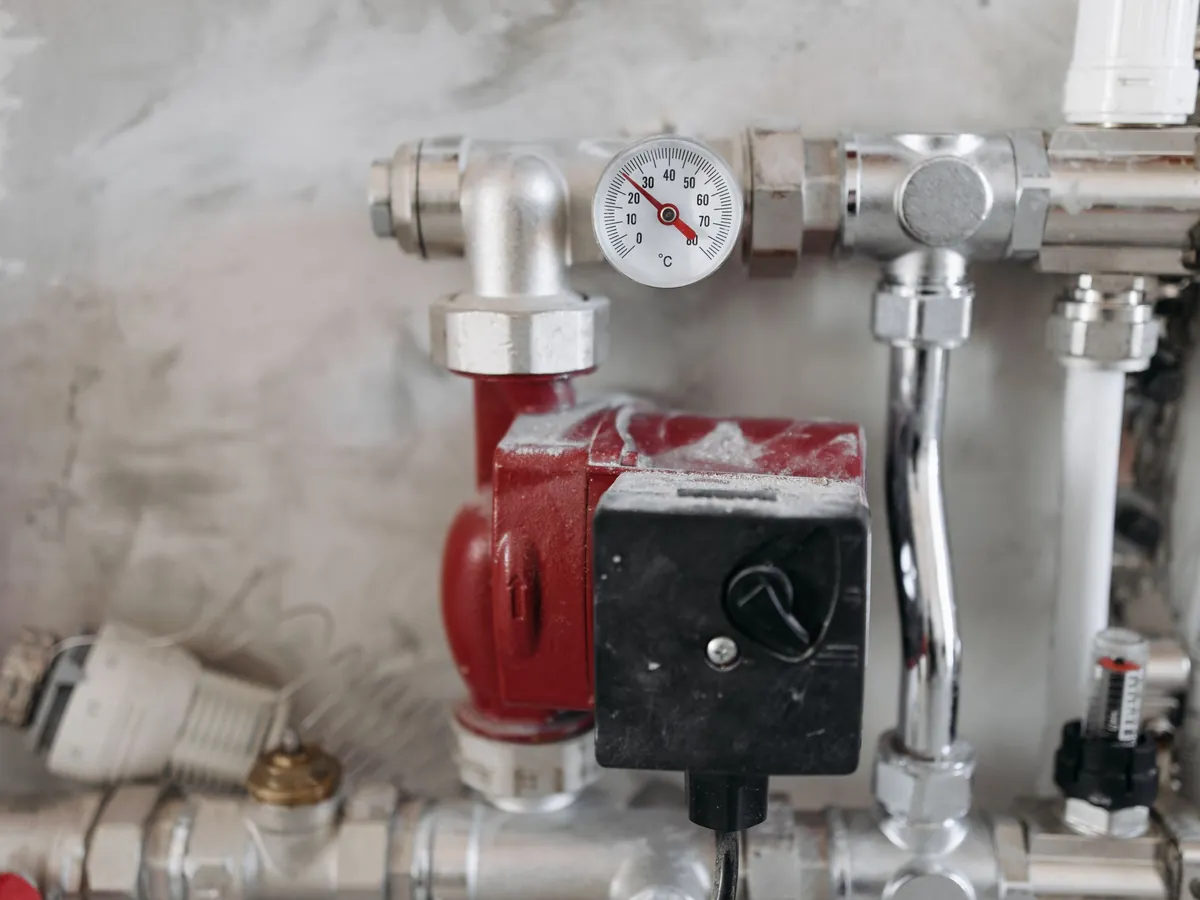
What people say when the radiators are hot to the bottom again
What the work involves
Central heating water corrodes the inside of steel radiators from the day the system is filled, and the black sludge that produces settles in the bottom of every radiator, in the low pipe runs, in the pump and eventually in the boiler's heat exchanger. The symptoms build slowly: radiators warm at the top and cold below, rooms that take longer to heat every year, a boiler that rumbles and bangs, a pump that whines, and the odd radiator that has started to weep along its bottom seam. Bleeding does nothing, because what is in there is not air.
Power flushing is the cure for a system that has got to that point. A pump is connected to the system and pushes water through at many times the normal flow, with a cleaning chemical, reversing the direction to shift what is stuck; each radiator is flushed individually with the others closed off and agitated to loosen the deposits; a magnet collects the debris; and the flush continues until the water runs clear. The system is then dosed with inhibitor and, where there is not one already, a magnetic filter is fitted to keep it clean.
Dependable Heating power flushes systems across the London areas it covers, as a standalone job and as the clean before a boiler replacement. Where a radiator is beyond flushing, a radiator replacement is quoted alongside.
What is power flushing
A flushing pump, a machine roughly the size of a large suitcase, is connected to the heating circuit, usually across the pump position on the boiler or across the tails of one radiator. It circulates the system water through its own reservoir at high velocity, with cleaning chemical added to break down the sludge and scale, and a strong magnet in the flow to trap the iron oxide. The direction of flow is reversed at intervals, because deposits that will not shift one way often move the other. Each radiator is isolated and flushed on its own, with a rubber mallet used on the panel to dislodge what is settled. When the water from every radiator runs clear, the chemical is flushed out with fresh water, the system is refilled and inhibitor is added.
Signs your heating system needs a power flush
Radiators cold at the bottom or in the middle while the top is hot. Radiators that need bleeding constantly. Black or brown water when a radiator is bled. A boiler that kettles: a rumbling, banging or whistling noise as it heats. A pump that is noisy or has failed more than once. Radiators that leak at the seam. A system that takes far longer to heat the house than it used to. The magnetic filter full of black sludge at every service. And, on any system more than a few years old, a boiler about to be replaced, because a new heat exchanger blocked with old sludge in its first winter is an avoidable and expensive way to void a warranty.
How the power flushing process works
The engineer first checks the system is suitable: the age and type of pipework, the condition of the radiators, and whether any valve or joint looks likely to fail under the flush. That honesty matters, because a flush can expose a weakness that sludge was sealing, and a system with pinholed steel pipe under a concrete floor is better treated with a gentler chemical clean than a full flush. Then the pump is connected, the chemical circulated, each radiator flushed in turn, the boiler heat exchanger flushed, the water tested for clarity and for the dissolved solids that show the clean is complete, and the system refilled, dosed and pressure checked. A typical house takes most of a day.
Benefits for radiators, boilers and efficiency
Radiators give out their full output again, so rooms heat faster and the boiler runs for less time. The boiler's heat exchanger transfers heat properly, so it stops kettling and runs at its design efficiency. The pump is no longer grinding magnetite through its bearings. The corrosion that makes the sludge slows right down once the inhibitor is at the correct dose in clean water. And the pinholes and seam leaks that were on their way stop developing, because the mud that was eating the steel is gone.
Fixed prices, quotes and booking
A power flush is priced by the number of radiators, agreed in writing before the visit. Inhibitor and the cleaning chemical are included. A magnetic filter, where one is recommended and there is not one already, is quoted as a separate line so you can see the cost. If the survey on the day finds the system is not suitable for a full flush, the alternative is explained and priced before anything is connected, and you decide.
Areas covered and local engineer availability
Flushes are booked across London and the surrounding towns and take a full day slot, so they are scheduled rather than squeezed in. A flush before a boiler replacement is done on the first day of the installation. Landlords with several properties can have the flushes grouped by area.
Why choose this power flushing service
Because the survey comes first, and a system that should not be flushed is told so. Because each radiator is flushed individually rather than the whole system being circulated for an hour and called done. Because the water is tested at the end, not judged by eye. And because the same engineers install boilers and repair heating systems, so a flush is one part of keeping the system working, not a product sold on its own.
How a job runs
How a power flush runs
A day's work, most of it waiting for the water to run clear from each radiator. The order matters.
01
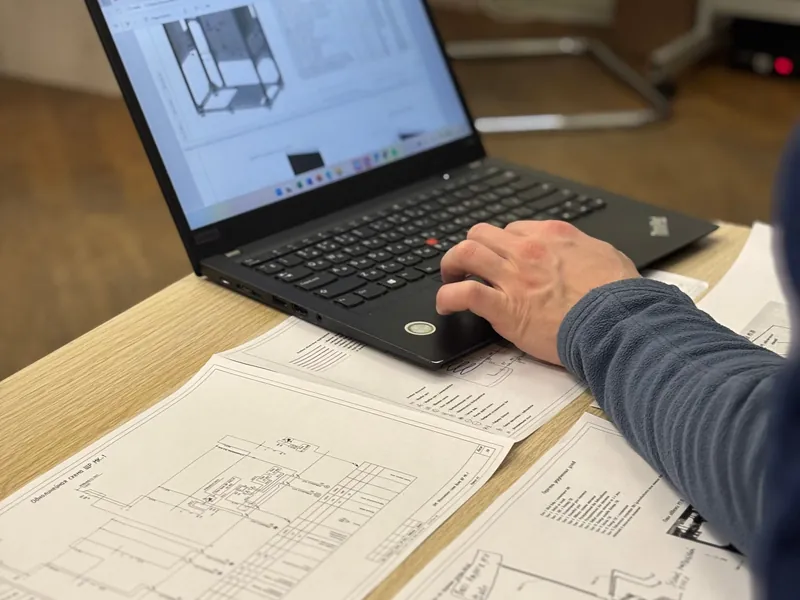
Suitability check
Pipework, radiators and valves inspected. A system that would be damaged by a flush gets a chemical clean instead, and you are told why.
02
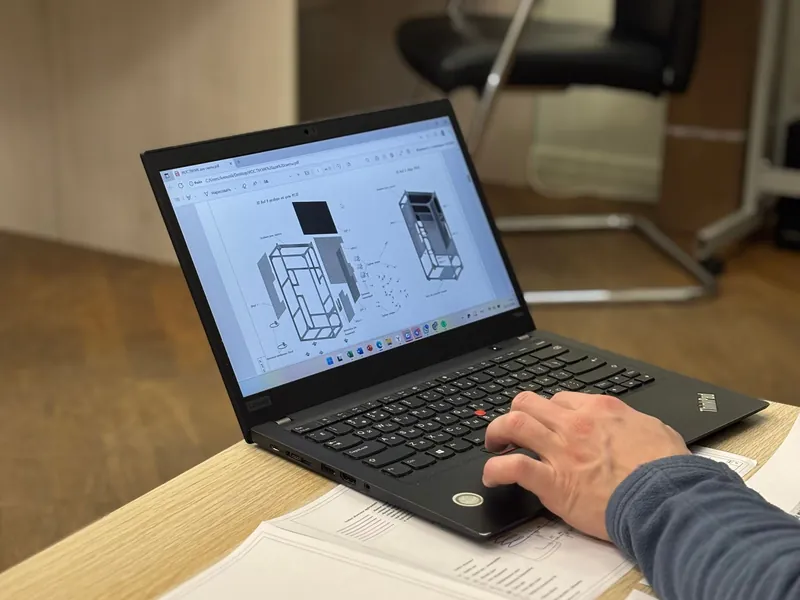
Connect and circulate
The flushing pump connected, cleaning chemical added, the whole system circulated at high flow with the direction reversed at intervals.
03
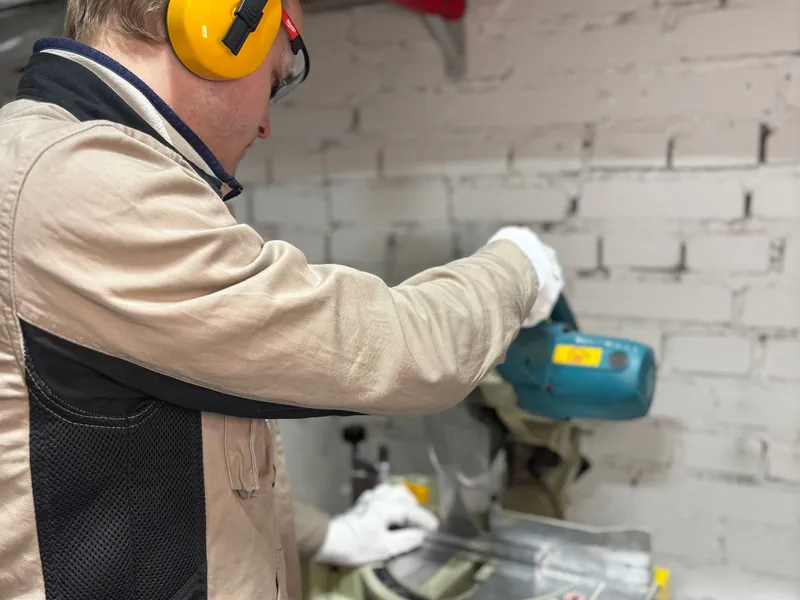
Radiator by radiator
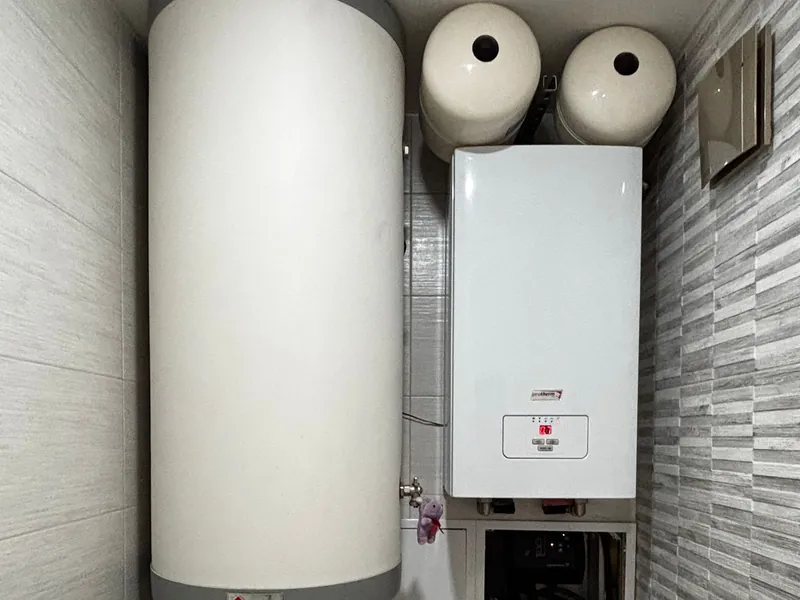
Each radiator isolated, flushed and agitated until its water runs clear. The boiler heat exchanger flushed the same way.
04
Refill and protect
Fresh water, inhibitor at the correct dose, a magnetic filter fitted where recommended, and the system pressure set and checked.
Quick Quote Online
Radiators cold at the bottom? Get the system cleaned before winter
Tell us how many radiators and what the symptoms are. An engineer confirms the price and a day.
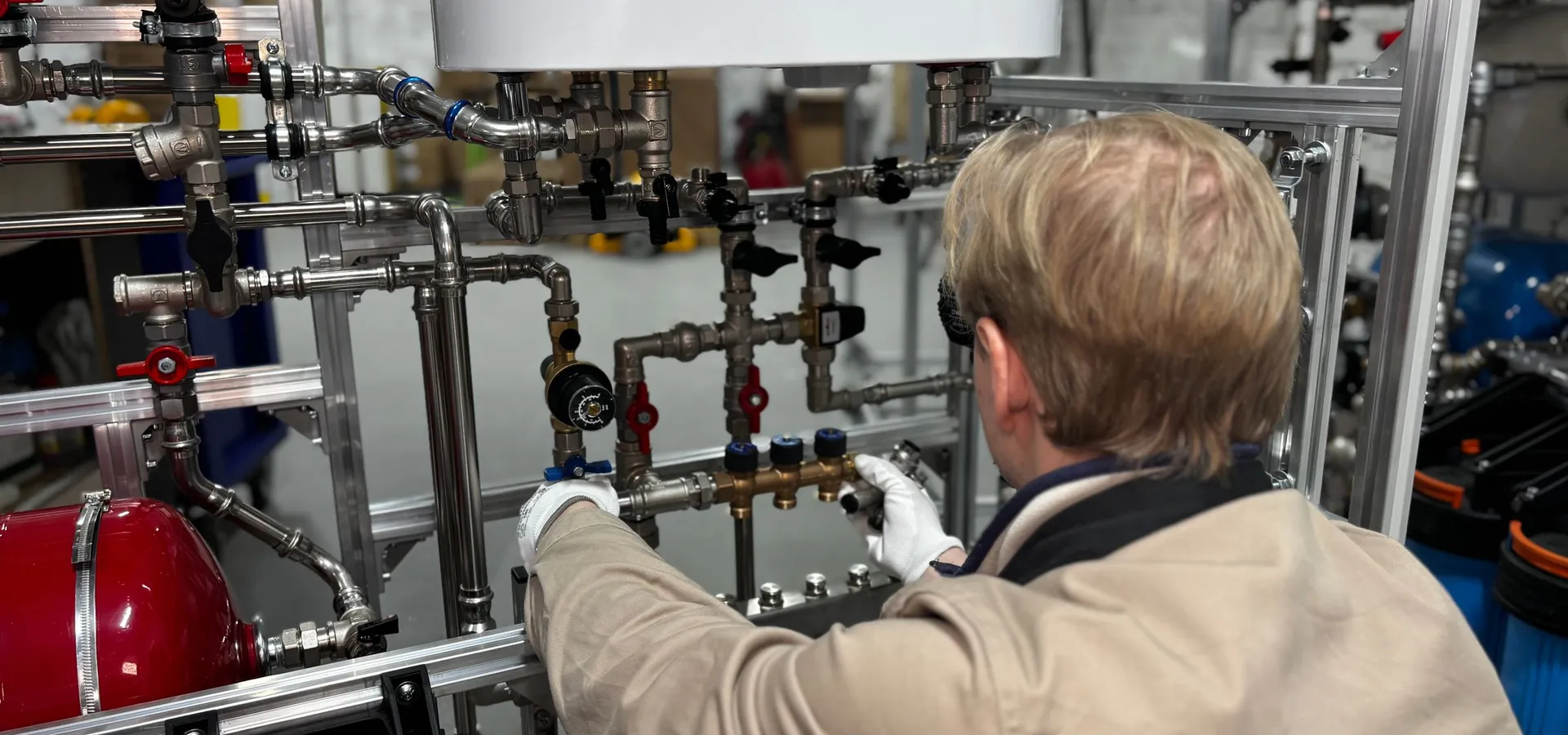
Power Flushing: the kind of work behind the page
Get Yours QuotedFour from the gallery. The full set is on the home page, every one opens full size.
Quick Quote OnlineWhere we work
Power flushing across London
Older systems in Victorian terraces, microbore systems in 1970s estates, and combi systems in flats that have been topped up for years. Flushes are booked across the towns below and grouped by area.
- London
- City of Westminster
- Islington
- Chelsea
- Battersea
- Holloway
- Brixton
- Peckham
- Fulham
- Archway
- Shepherds Bush
- Canary Wharf
- Stamford Hill
- Willesden
- Cricklewood
- Putney
- Streatham
- Stratford
- Catford
- Canning Town
- Acton
- Wimbledon
- Tottenham
- Finchley
- Leytonstone
- Walthamstow
- Mitcham
- Wembley
- Beckenham
- Brent
- Morden
- Edmonton
- Eltham
- Croydon
- Barking
- Ilford
- Carshalton
- Enfield Town
- Chingford
- Greenford
- Harrow
- South Croydon
- Hounslow
- Welling
- Southall
- Heston
- Surbiton
- Sutton
- Becontree
- Purley
- Borehamwood
- Ewell
- Bexley
- Hayes
- Dagenham
- Feltham
- Banstead
- Cheshunt
- Esher
- Romford
- Dartford
- Watford
- Uxbridge
- Staines
- Leatherhead
- Hatfield
- Redhill
- St Albans
- Grays
Jobs that often go with this one
Radiator Repair and Installation
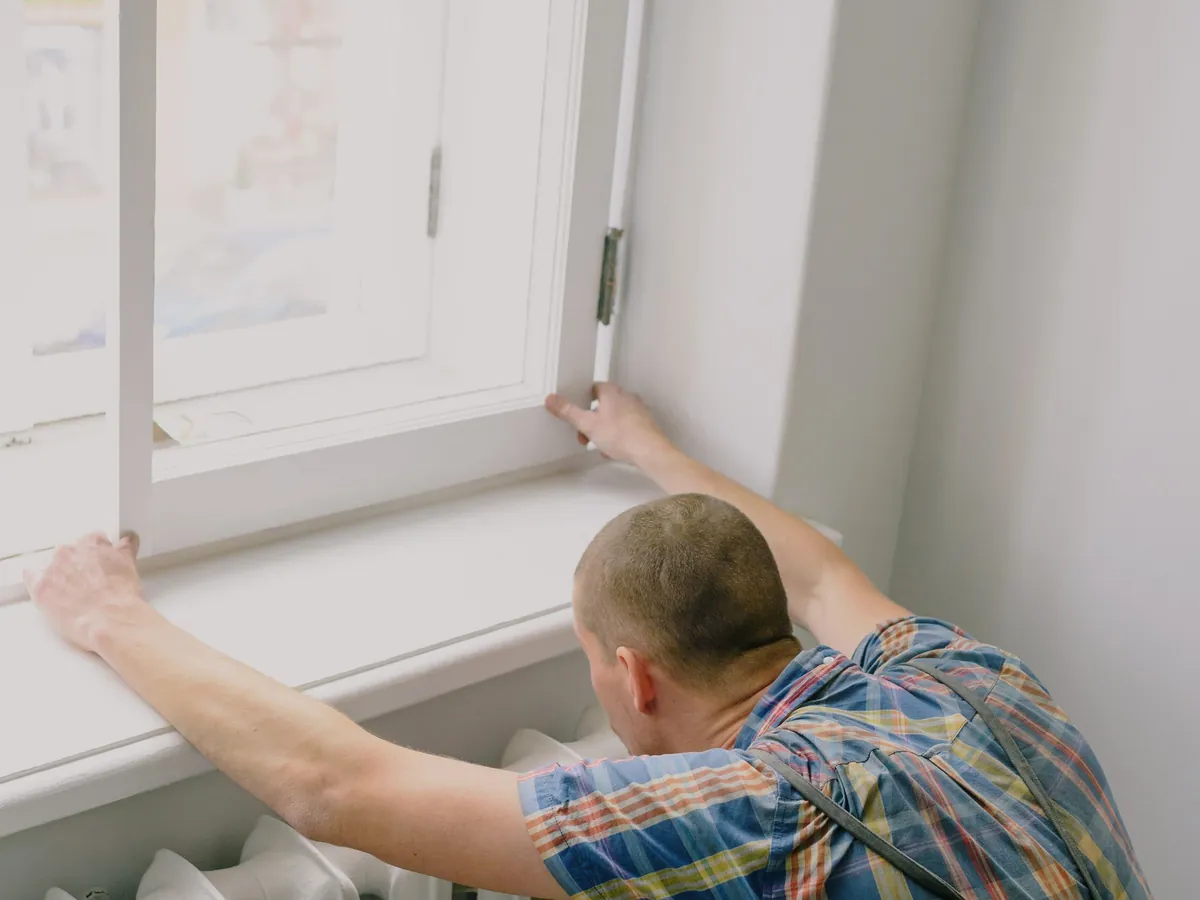
Leaking, cold or rusting radiators repaired or replaced, new radiators and towel rails added, valves changed and the system rebalanced when the work is done.
Boiler Installation and Replacement
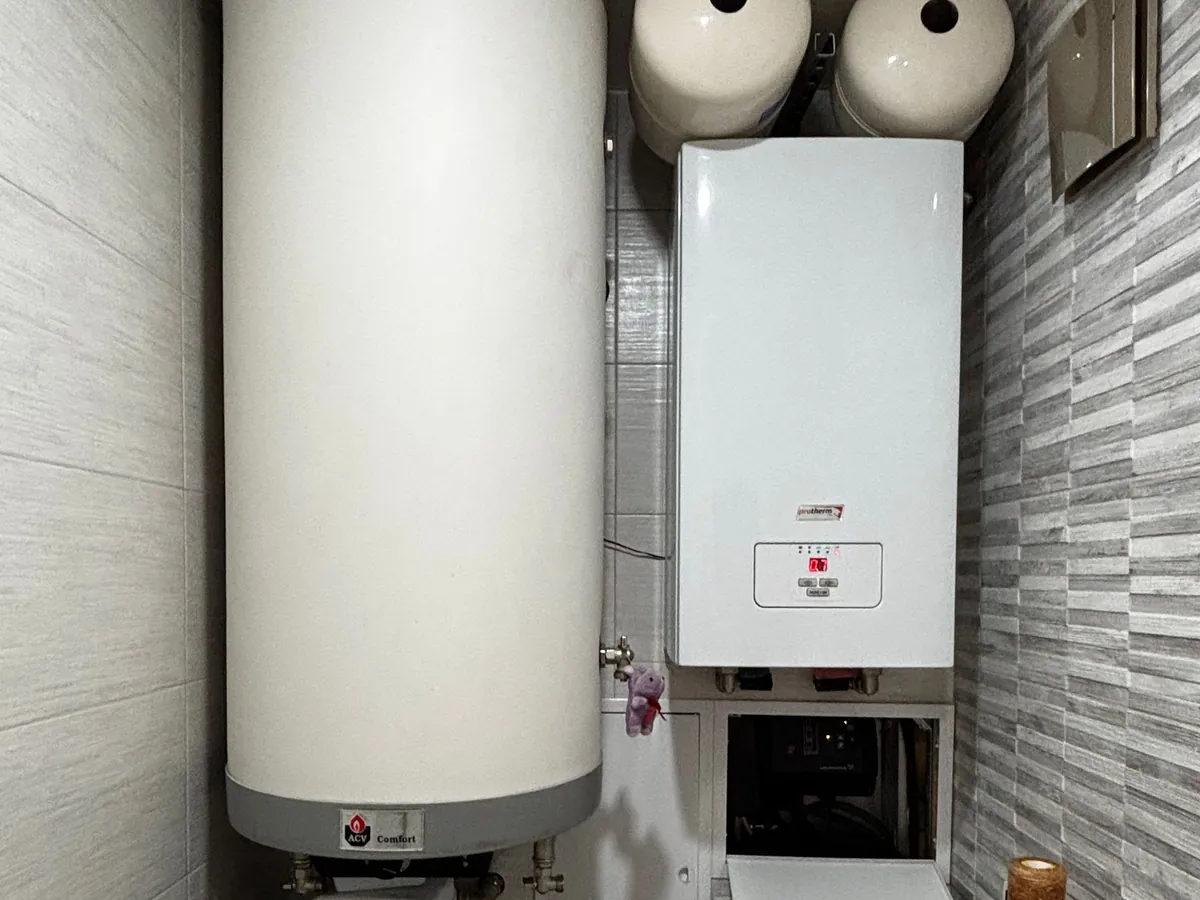
A new combi, system or heat-only boiler sized for the property, fitted with a filter and flush, commissioned and registered, with the old one taken away.
Boiler Service
An annual boiler service that checks combustion, gas rate, flue, seals and safety devices, keeps the manufacturer warranty valid and catches faults early.
FAQ
Power Flushing: the questions people ask first
How do I know if I need a power flush rather than just bleeding the radiators?
Feel the radiator. Cold at the top is air and bleeding fixes it. Cold at the bottom is sludge and bleeding does nothing. Black water when you bleed, a noisy boiler or a filter full of sludge at each service all point the same way.
How long does a power flush take?
Most of a day for a typical house with eight to twelve radiators. Larger systems or very dirty ones can take longer. It is booked as a full-day slot.
Can a power flush damage my system?
It can expose weaknesses that were already there, such as a corroded pipe that sludge was sealing or a valve gland that was on its way out. That is why the engineer inspects the system first and recommends a gentler chemical clean where a flush would be unwise.
Do I need a power flush before a new boiler?
The system needs cleaning before a new boiler goes on; manufacturers require it for the warranty. Whether that is a full power flush or a chemical clean depends on how dirty the system is, which is assessed at the boiler survey.
Will a power flush fix a radiator that is completely cold?
If it is cold because of sludge, yes. If it is cold because a valve is stuck, the pipework is airlocked or the system has never been balanced, those are found and fixed as part of the visit but they are not flush problems.
How long does the effect of a power flush last?
With inhibitor kept at the right dose, a magnetic filter cleaned at each service and no repeated topping up with fresh water, a flushed system stays clean for many years. Fresh water is the enemy: fix the slow leak that makes you top up and the sludge does not come back.
Anything not covered here is answered on the contact page, and the longer reads on boilers, radiators and leaks live in our heating guides.
Quick Quote Online
Tell us how many radiators and what they are doing
The number of radiators, whether they are cold at the bottom, what colour the water is when you bleed one, and whether the boiler is noisy. That is enough for a price.
- A written price before any work starts
- Boilers, gas, plumbing, drains and bathrooms under one roof
- London and the towns around it