

Radiator Repair and Installation
A radiator that leaks, stays cold or rusts through is a quick fix in the right hands
Repairs to radiators that leak, will not heat or rattle. Replacements for ones that have rusted through. New radiators and towel rails where a room has none or not enough. Valves changed, thermostatic valves added, and the whole system rebalanced when the work is done.
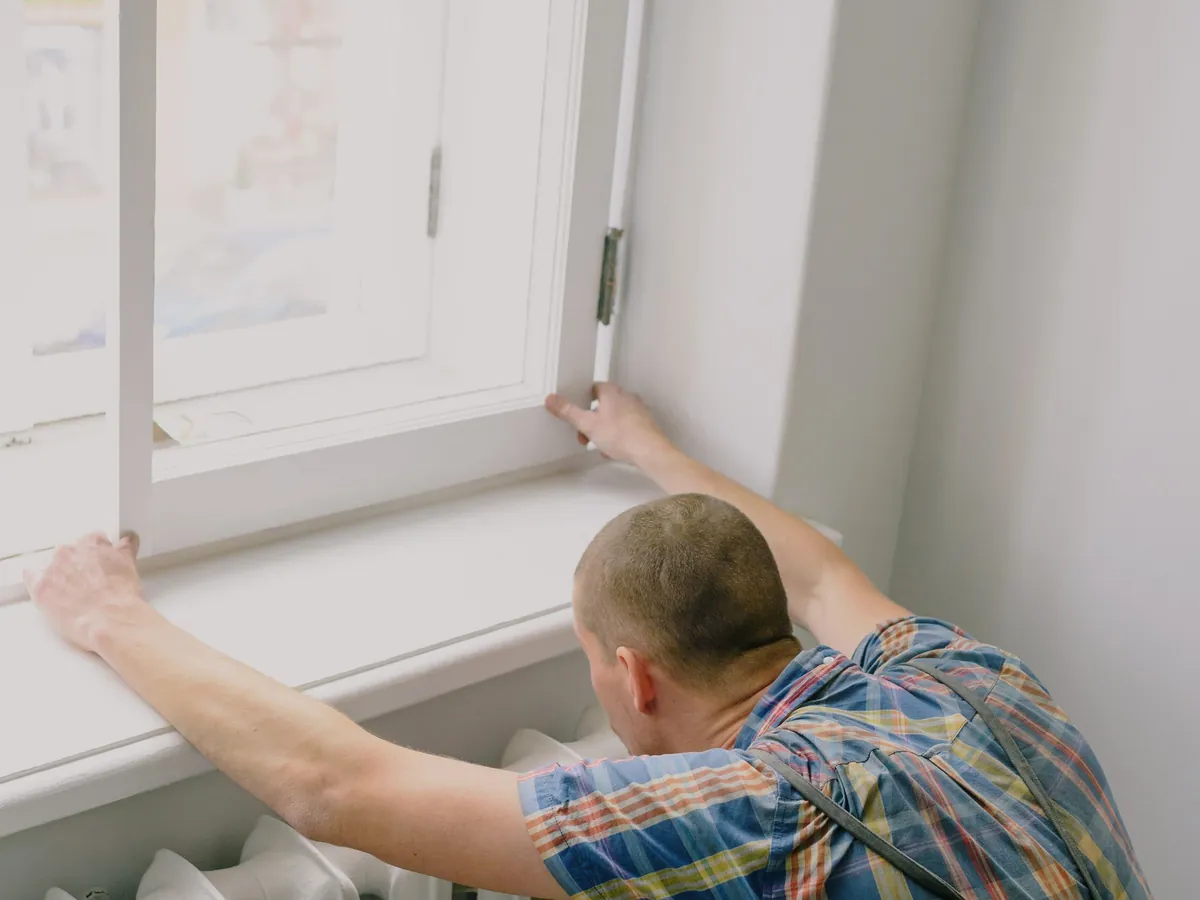
What people say once the cold bedroom is warm
What the work involves
Radiators are the part of the heating system people actually live with, and they go wrong in small, specific ways. One is cold at the bottom. One leaks from the valve every winter. One is rusting along its bottom edge and staining the wall. One was sized for a box room and now heats a knocked-through kitchen. One was never there at all, in a bathroom where a towel rail would make the difference between damp towels and dry ones.
Every one of those is a job that fits in a morning, and Dependable Heating does them across London: valve replacements and thermostatic valve upgrades, leak repairs, radiator swaps like-for-like, new radiators and towel rails on extended pipework, radiators moved when a room is reconfigured, designer and column radiators on new fixings, and the balancing that follows any change so the new radiator does not take all the flow from the old ones.
Where cold radiators are a system problem rather than a radiator problem, sludge through the whole circuit, the fix is a central heating flush and you are told so. Where every radiator in the house is undersized, it becomes a central heating rebuild. Work reaches across the areas served in and around London.
Radiator faults and what they mean
Cold at the top is air, and bleeding it releases the air and fixes it, though if it needs bleeding every week, air is getting in somewhere. Cold at the bottom is sludge and needs flushing. Cold everywhere while others are hot is usually a stuck valve, a thermostatic valve pin that has seized in the closed position, or a system that has never been balanced so that radiator gets no flow. Hot when the heating is off is a valve passing or a wiring fault on a zone valve. Leaking at the valve is a gland nut or a compression joint. Leaking along the bottom seam is corrosion from the inside and means the radiator is finished. Rattling or ticking is expansion noise from a pipe clipped too tightly or a radiator touching its bracket.
Repairs: valves, leaks and cold spots
Most radiator repairs are valve work. A leaking valve is repacked or replaced, and an old wheel-head valve is swapped for a thermostatic one so the room controls itself. A stuck thermostatic valve pin is freed or the head replaced. A radiator that is cold while its valve is open is checked for flow and, if the problem is balancing, the lockshield valves across the system are adjusted so every radiator gets what it needs. A leaking tail or union is remade. All of it is done with the system isolated at the radiator where possible, so the rest of the house stays warm.
Replacing a radiator like-for-like
A rusted or pinholed radiator is replaced with a new panel of the same size, or a slightly larger one if the room has always been cold. Modern panel radiators come in standard lengths and heights and, on the common sizes, the new one drops onto the existing tails with new valves. Where the old radiator was an odd size, the pipework is adjusted rather than a compromise radiator fitted. The old radiator is drained, removed and taken away, the wall behind it is a decorating opportunity that you get told about, and the new one is fitted, filled, bled and balanced in.
New radiators and towel rails
Adding a radiator means extending the pipework from the nearest suitable run, which in a London terrace usually means lifting a few boards or, on a concrete floor, a neat surface run. The radiator is sized from the room's heat loss so it actually heats the space, and the system's capacity is checked so the new radiator does not leave others short. Towel rails in bathrooms are the most common addition, either on the heating circuit or as a dual-fuel rail with an electric element for summer use. Designer radiators, vertical radiators and cast iron column radiators need heavier fixings and sometimes a different valve arrangement, all planned at the quote.
Moving radiators and reconfiguring rooms
Knocking through a kitchen, opening up a chimney breast or fitting new wardrobes often leaves a radiator in the wrong place. Moving it means new tails from the pipework and, sometimes, a new pipe route. It is planned around the builder's schedule so the radiator comes off before the wall work starts and goes back after the plastering, rather than being the last thing everybody forgets.
Balancing: the job that finishes every radiator job
Water takes the easiest route. Without balancing, the radiators nearest the boiler run hot and the ones at the far end run cool, however big they are. Balancing sets the lockshield valve on each radiator so the temperature drop across every one is similar, and it is checked with a thermometer on the flow and return pipes, not by feel. Every radiator change alters the balance, which is why the balancing is part of the job rather than an extra.
How a job runs
How a radiator job runs
Small jobs, but the sequence still matters: diagnose, price, do, balance.
01
Describe the radiator
What it is doing, which room, and a photo of the valves if you can. Cold at the top, bottom or everywhere tells the engineer what to bring.
02
Price agreed
A price for the repair, the replacement or the new radiator, with the radiator model and valves listed, before anything is ordered.
03
The work
System isolated at the radiator where possible, the repair or swap done, the pipework tested, the radiator filled and bled.
04
Balanced and checked
Flow and return temperatures checked across the system and lockshields adjusted so the new radiator does not starve the others.
Quick Quote Online
A radiator that leaks, stays cold or needs replacing? Get it priced
Tell us which radiator and what it is doing. An engineer comes back with a price and a time.
Radiator Repair and Installation: the kind of work behind the page
Get Yours QuotedFour from the gallery. The full set is on the home page, every one opens full size.
Quick Quote OnlineWhere we work
Radiator work across London
Column radiators in period terraces, panel radiators in interwar semis, towel rails in flats with no bathroom heating at all. The towns below are covered.
- London
- City of Westminster
- Islington
- Chelsea
- Battersea
- Holloway
- Brixton
- Peckham
- Fulham
- Archway
- Shepherds Bush
- Canary Wharf
- Stamford Hill
- Willesden
- Cricklewood
- Putney
- Streatham
- Stratford
- Catford
- Canning Town
- Acton
- Wimbledon
- Tottenham
- Finchley
- Leytonstone
- Walthamstow
- Mitcham
- Wembley
- Beckenham
- Brent
- Morden
- Edmonton
- Eltham
- Croydon
- Barking
- Ilford
- Carshalton
- Enfield Town
- Chingford
- Greenford
- Harrow
- South Croydon
- Hounslow
- Welling
- Southall
- Heston
- Surbiton
- Sutton
- Becontree
- Purley
- Borehamwood
- Ewell
- Bexley
- Hayes
- Dagenham
- Feltham
- Banstead
- Cheshunt
- Esher
- Romford
- Dartford
- Watford
- Uxbridge
- Staines
- Leatherhead
- Hatfield
- Redhill
- St Albans
- Grays
Jobs that often go with this one
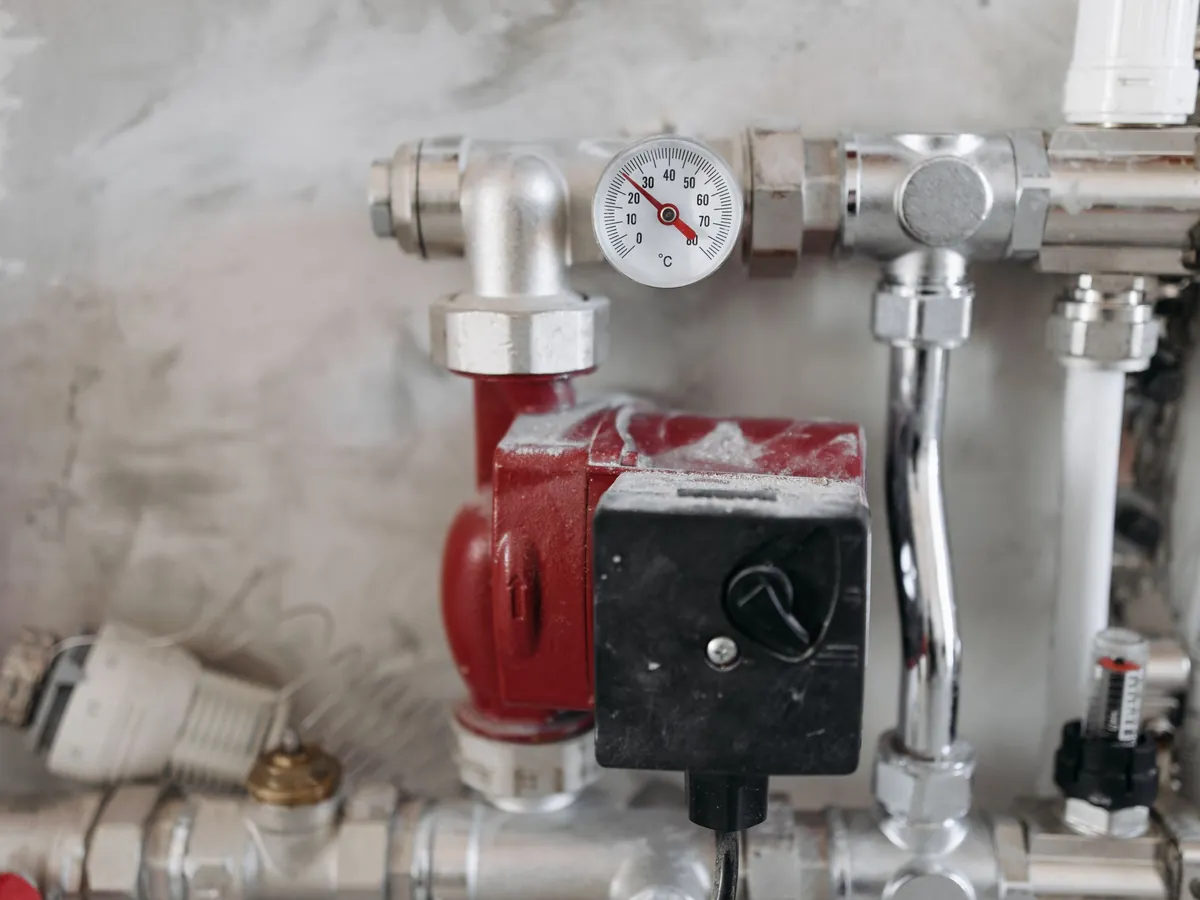
Power Flushing
Sludge and rust cleared out of radiators, pipework and the boiler heat exchanger with a proper power flush, so cold spots go and the system runs quietly again.
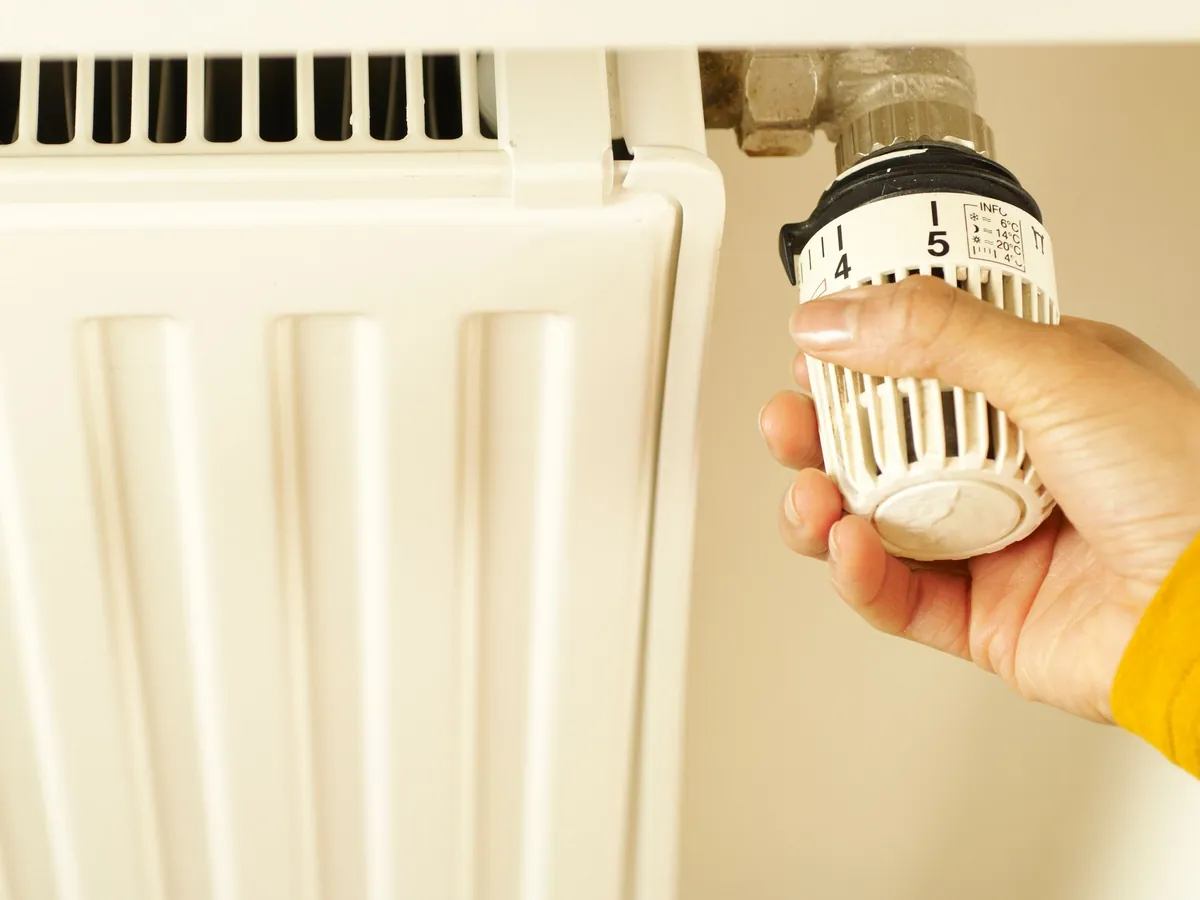
Central Heating Installation
Full central heating systems for homes that have none, and rebuilds of tired ones: boiler, pipework, radiators, controls and zoning designed around the property.
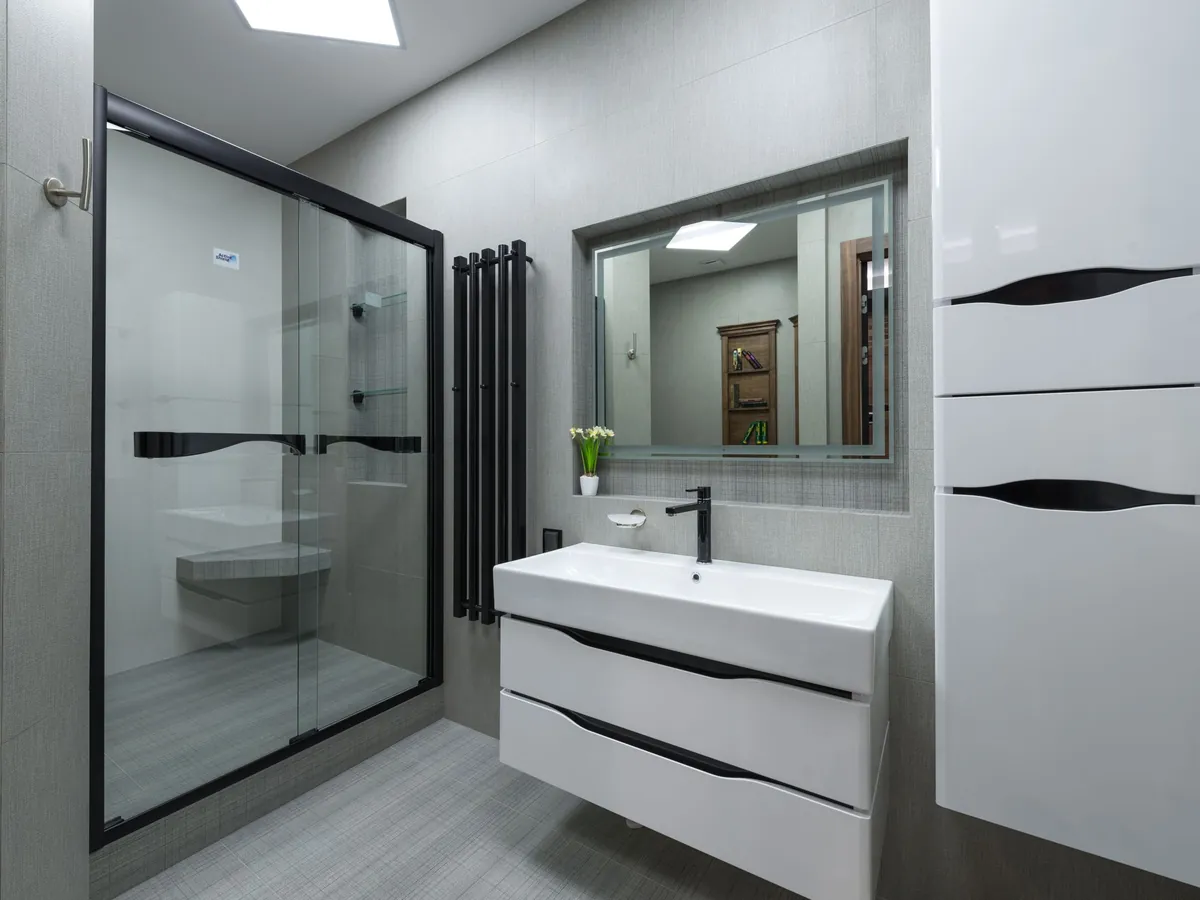
Bathroom Installation
Full bathroom fitting from strip-out to the last bead of silicone: first fix plumbing, showers, baths, tiling, wet rooms and the electrics that go with them.
FAQ
Radiator Repair and Installation: the questions people ask first
Can a leaking radiator be repaired or does it need replacing?
A leak at the valve, the tail or the bleed point is repaired. A leak from the radiator body, usually along the bottom seam, is corrosion from inside and the radiator is replaced; a repair to the body does not last.
Why is my radiator cold when the valve is fully open?
Either the thermostatic valve pin has stuck closed, the system is unbalanced so that radiator gets no flow, or it is full of sludge. All three are checked on the visit and the right one fixed.
Can I add a radiator to my existing system?
Usually, yes. The pipework is extended from the nearest run and the boiler's capacity is checked. A system already at its limit is told to you honestly rather than a radiator added that leaves the rest of the house cooler.
How long does it take to replace a radiator?
A like-for-like swap onto existing tails takes an hour or two. A radiator of a different size, or one being moved, takes longer because the pipework is adjusted. Either way it is normally a same-day job.
Do I need thermostatic radiator valves?
They let each room control its own temperature, which saves gas and stops bedrooms overheating. Building regulations require them on new installations in most rooms. They are a quick upgrade on an existing radiator.
What size radiator do I need?
It depends on the room's heat loss: its size, windows, walls and exposure. The engineer calculates it and recommends a size and type, rather than matching what was there, which was often wrong in the first place.
Anything not covered here is answered on the contact page, and the longer reads on boilers, radiators and leaks live in our heating guides.
Quick Quote Online
Tell us which radiator and what it is doing
The room, the symptom and, if you can, a photo of the radiator and its valves. The engineer prices the fix from that.
- A written price before any work starts
- Boilers, gas, plumbing, drains and bathrooms under one roof
- London and the towns around it